

Why Data Is the New Powerhouse of Public Relations
Public Relations has long been associated with storytelling, relationships, and instinct. While these remain essential, the modern PR landscape has evolved. Today, data is no longer optional in PR—it is strategic power. Organizations that integrate data into PR decision-making are not only more credible but also more effective, measurable, and future-ready.
The Shift: From Guesswork to Evidence
Traditional PR relied heavily on experience and intuition what felt right, what worked before, or what competitors were doing. Data-driven PR replaces assumptions with evidence-based decisions. Instead of asking “What do we think will work?”, PR teams now ask “What does the data tell us?”
What Does “Data in PR” Actually Mean?
Data in PR refers to the systematic use of information to plan, execute, and evaluate communication strategies. This includes:
- Audience insights (demographics, behavior, interests)
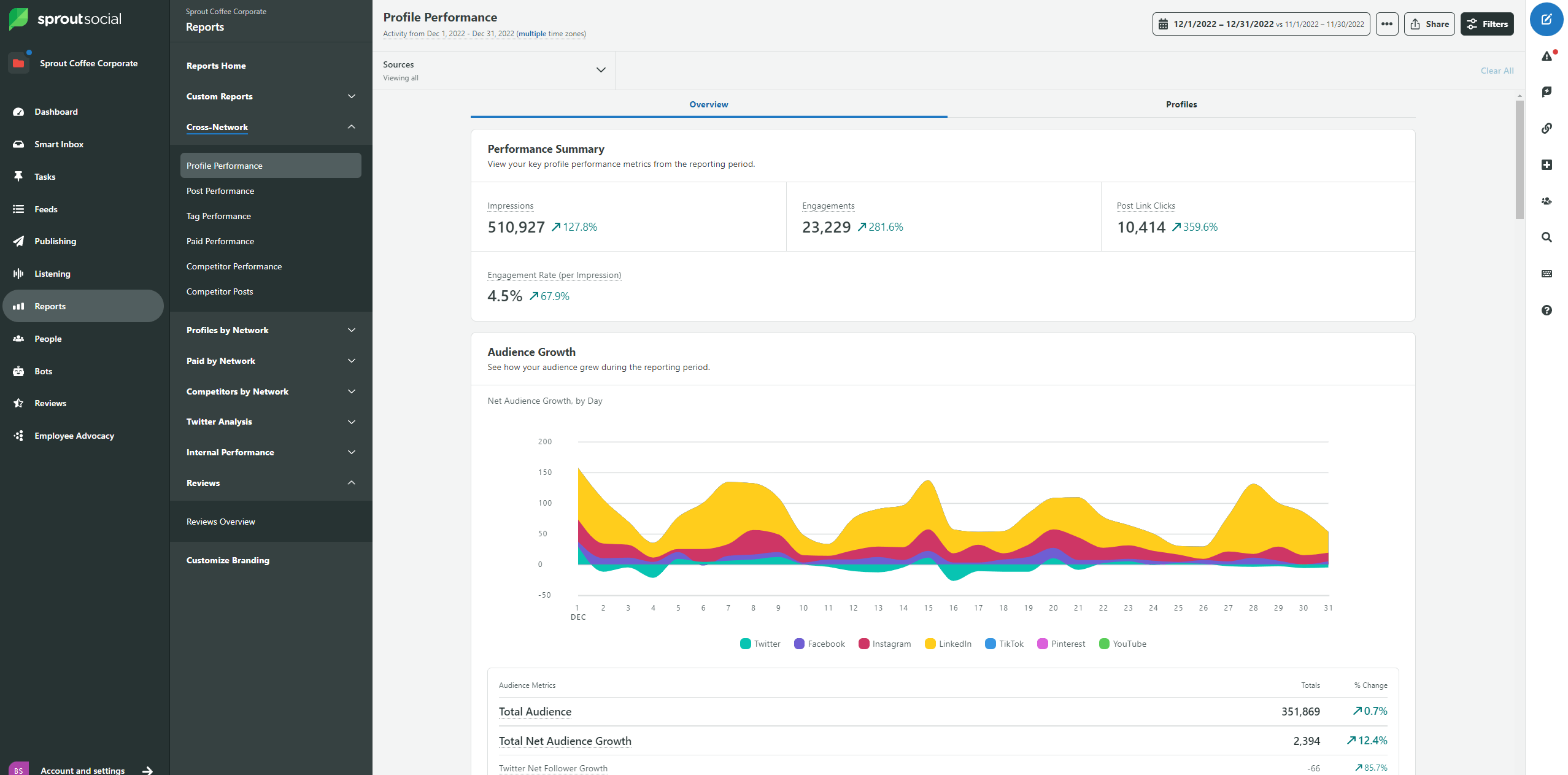
- Media coverage analysis (reach, sentiment, share of voice)
- Social media performance metrics
- Website traffic and referral data
- Campaign conversion and engagement trends
When used correctly, data turns PR from a support function into a strategic business driver.
How Data Strengthens PR Strategy
- Smarter Targeting
Data helps PR professionals understand who their audience is, where they are, and what resonates with them ensuring messages land with precision. - Stronger Storytelling
Insights from data reveal patterns, concerns, and opportunities that shape more relevant and impactful narratives. - Real Measurement of Impact
Instead of vague metrics like “exposure,” data allows PR teams to report tangible outcomes engagement, sentiment change, traffic, and conversions. - Crisis Prediction and Management
Monitoring data trends enables early detection of reputational risks, allowing organizations to respond proactively rather than reactively.
Data Builds PR Credibility
Executives increasingly demand accountability. Data-backed PR reports translate communication efforts into language leadership understands numbers, trends, and results. This positions PR as a decision-making partner rather than a cost center.
The Balance: Data + Human Insight
Importantly, data does not replace creativity or relationships. Instead, it enhances them. The most effective PR strategies combine:
- Human judgment
- Creative storytelling
- Ethical interpretation of data
Data informs the direction; PR professionals bring the meaning.
Conclusion
The future of PR belongs to professionals and firms that can interpret data, extract insight, and translate it into compelling communication. In a world driven by information, data-driven PR is not just smarter it is essential.
PR that is not measured is PR that cannot be improved.